my favs
Access and manage your favorites here
DISMISS
Home
Scores
Watch
NFL Draft
Podcasts
Odds
Super 6
Stories
Search
Sign In
Account
SPORTS & TEAMS
PLAYERS
SHOWS
PERSONALITIES
SPORTS
SPORTS & TEAMS
PLAYERS
SHOWS
PERSONALITIES
SPORTS
NFL
NCAA FB
MLB
NBA
NCAA BK
NASCAR
Soccer
UFL
NCAAW BK
NHL
Golf
Premier Boxing Champions
WWE
UFC
WNBA
Tennis
Motor Sports
Professional Bowlers Association
Horse Racing
Westminster Kennel Club
FIBA
Olympics
World Baseball Classic
NRL
NASCAR CUP SERIES
NEXT RACE IS April 28th
NEXT RACE IS April 28th
NASCAR
>
NASCAR CUP SERIES
FEATURED
FEATURED
SCHEDULE
STANDINGS
DRIVER NEWS
STATS
NEWS
VIDEOS
More
XFINITY
TRUCKS
CUP
SOCIAL
RECENT STORIES
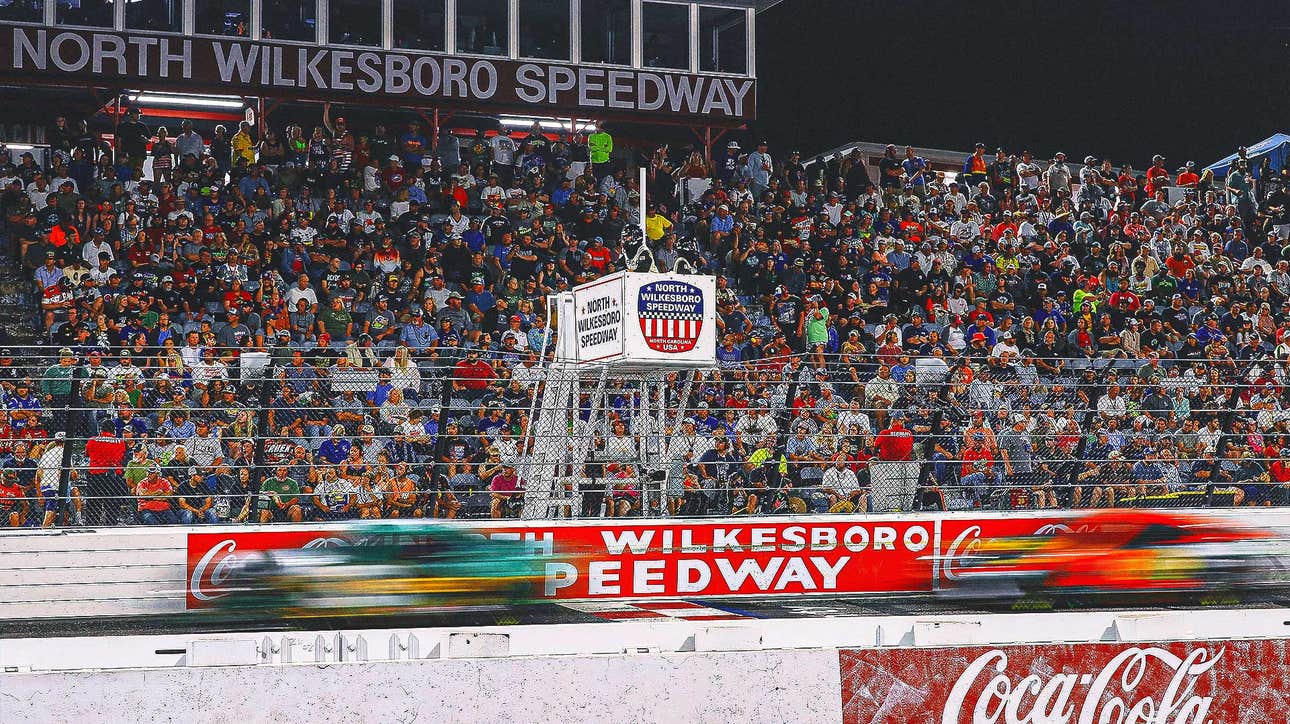
NASCAR to experiment with new tire during all-star race at North Wilkesboro
18 MINS AGO
•
FOX SPORTS
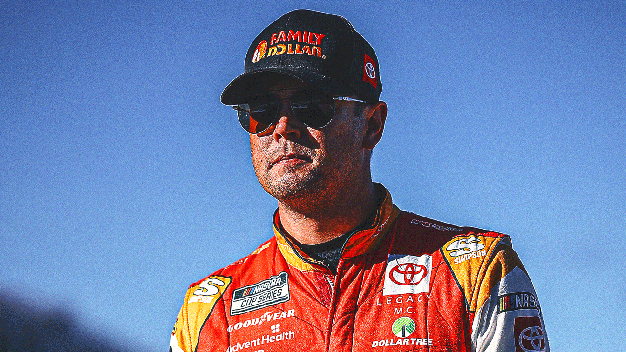
Erik Jones out for Dover with compression fracture in back
4 HOURS AGO
•
FOX SPORTS
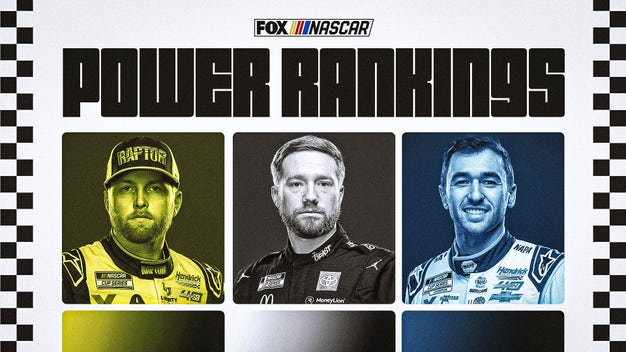
NASCAR Power Rankings: Talladega win boosts Tyler Reddick
7 HOURS AGO
•
FOX SPORTS
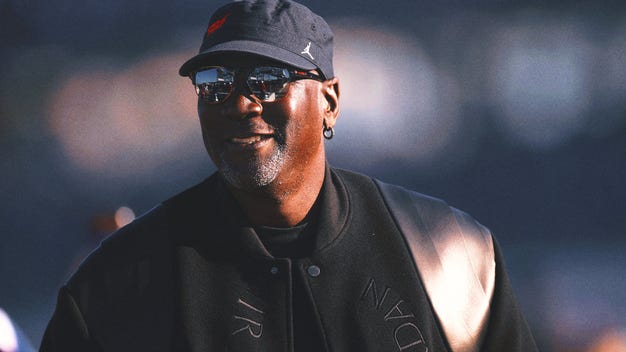
NASCAR revels in an M.J. moment as His Airness gives a big boost to his posthoops passion
1 DAY AGO
•
FOX SPORTS
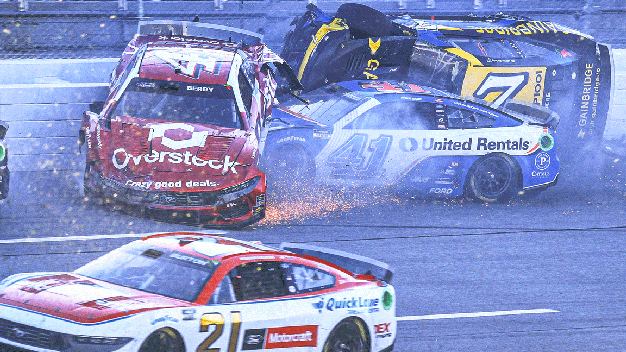
Typical Talladega: Waiting for the wild finish
1 DAY AGO
•
FOX SPORTS
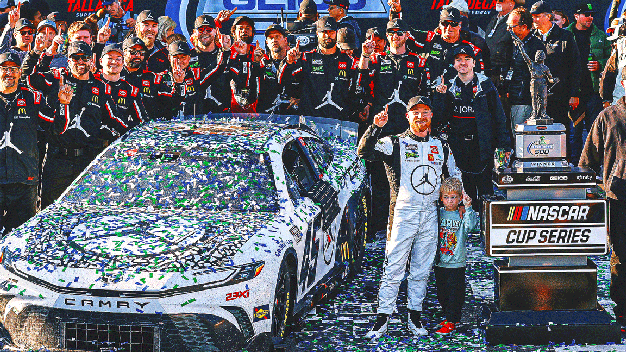
NASCAR takeaways: Tyler Reddick capitalizes on wild Talladega finish
1 DAY AGO
•
FOX SPORTS
NASCAR highlights: Tyler Reddick wins GEICO 500
2 DAYS AGO
•
FOX SPORTS
SHOW MORE
ADVERTISEMENT
RECENT VIDEOS
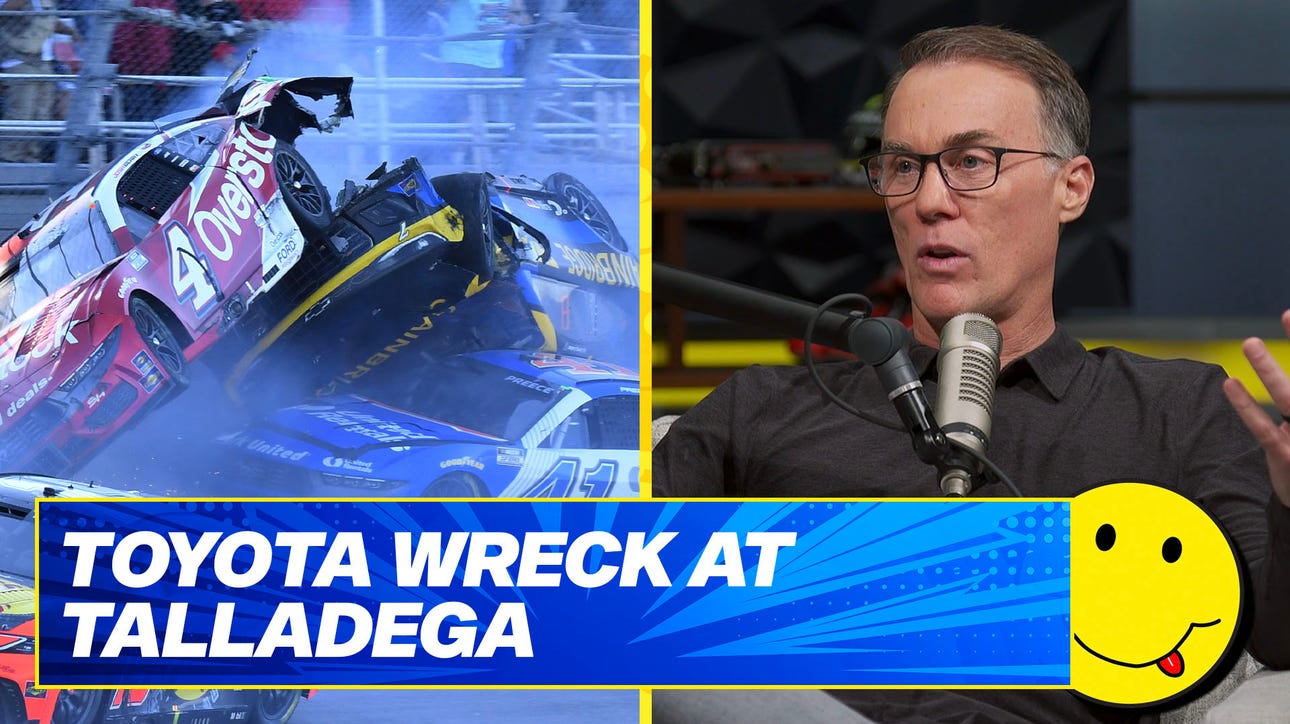
Kevin Harvick reacts to Toyota’s struggling strategy at Talladega | Harvick Happy Hour
1 HOUR AGO
•
FOX SPORTS
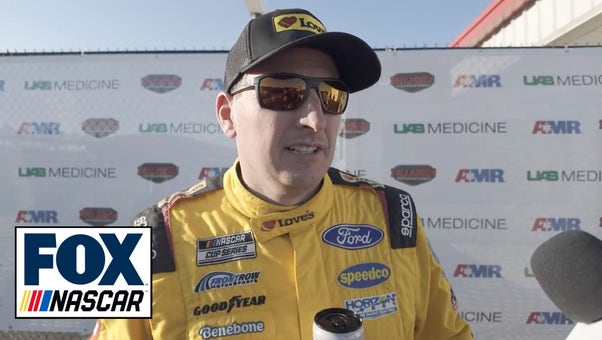
Michael McDowell speaks on the instance at Talladega and what we would have done differently | NASCAR on FOX
1 DAY AGO
•
FOX SPORTS
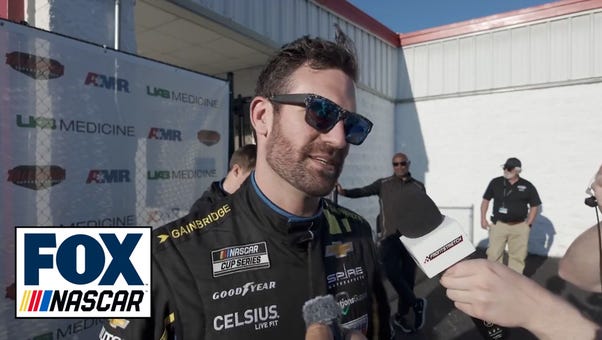
Corey LaJoie explains what happened when he flipped on the final lap at Talladega | NASCAR on FOX
1 DAY AGO
•
FOX SPORTS
'It'll be a long week' - Erik Jones on his back soreness | NASCAR on FOX
1 DAY AGO
•
FOX SPORTS
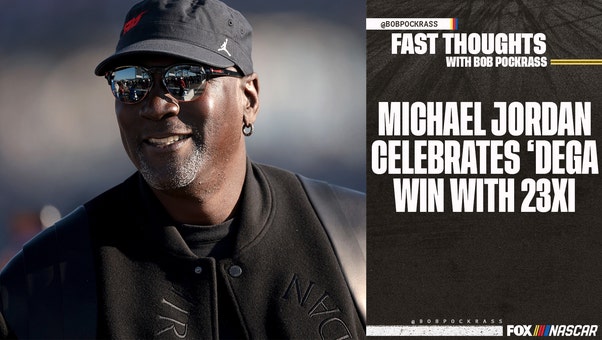
One Michael celebrates, another Michael not so much after a wild finish at Talladega | Fast Thoughts with Bob Pockrass
1 DAY AGO
•
FOX SPORTS
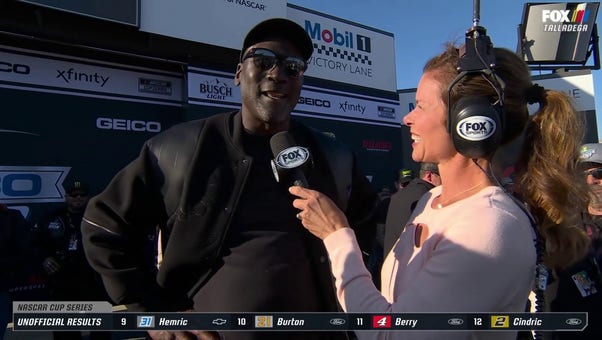
'I'm all in' — Michael Jordan on Tyler Reddick's victory at Talladega and what it means to win
2 DAYS AGO
•
FOX SPORTS
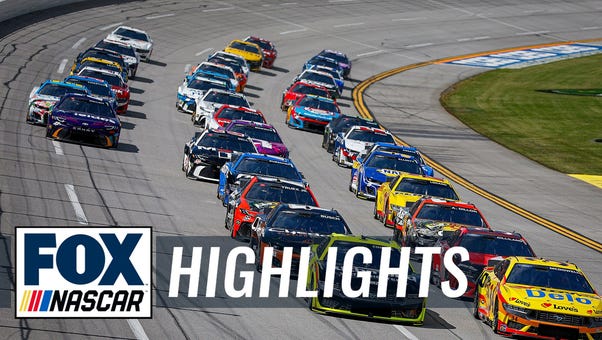
NASCAR Cup Series: Geico 500 Highlights | NASCAR on FOX
2 DAYS AGO
•
FOX SPORTS
SHOW MORE
TOP HEADLINES
NASCAR driver Erik Jones to miss Dover race because of broken lower vertebra
AUTO RACING: Reddick steals one at Talladega and Verstappen and Dixon get open-wheel wins
Analysis: Kyle Larson settling in quickly as preparation continues for Indianapolis 500 debut
Chase Elliott ends 42-race winless streak with overtime victory in NASCAR Cup race at Texas
William Byron is back in Texas with more big wins since getting Hendrick's 300th there last fall
NASCAR RACE HUB VIDEOS
SEE ALL NASCAR RACE HUB VIDEOS
Radioactive: the best sounds from Richmond Raceway
APRIL 3
•
FOX SPORTS
Radioactive: The best sounds from the Phoenix Raceway
MARCH 13
•
FOX SPORTS
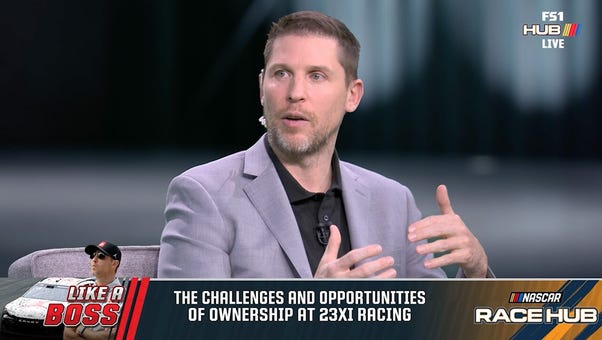
Denny Hamlin joined NASCAR Race Hub in February and explained his vision for a new shop
MARCH 13
•
FOX SPORTS
Chad Knaus breaks down the final race and season for Hendrick Motorsports
NOVEMBER 8, 2023
•
FOX SPORTS
NASCAR Cup Series Director Brad Moran explains why Ryan Blaney’s disqualification penalty was rescinded
OCTOBER 18, 2023
•
FOX SPORTS
What's next for Shane van Gisbergen?| NASCAR Race Hub
JULY 3, 2023
•
Fox Sports
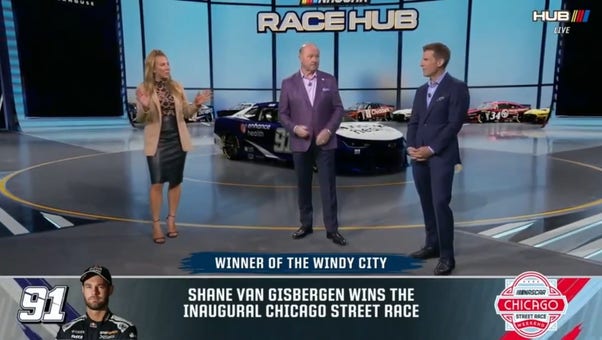
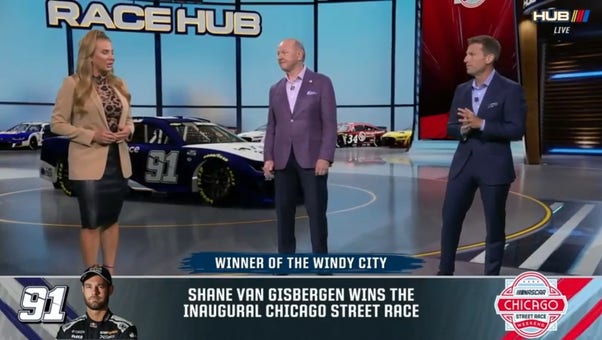
'I thought he had a flawless weekend' — Larry McReynolds on Shane van Gisbergen's win in Chicago | NASCAR Race HUB
JULY 3, 2023
•
Fox Sports
SEE ALL NASCAR RACE HUB VIDEOS
FOLLOW NASCAR
Follow your favorites to personalize your FOX Sports experience